


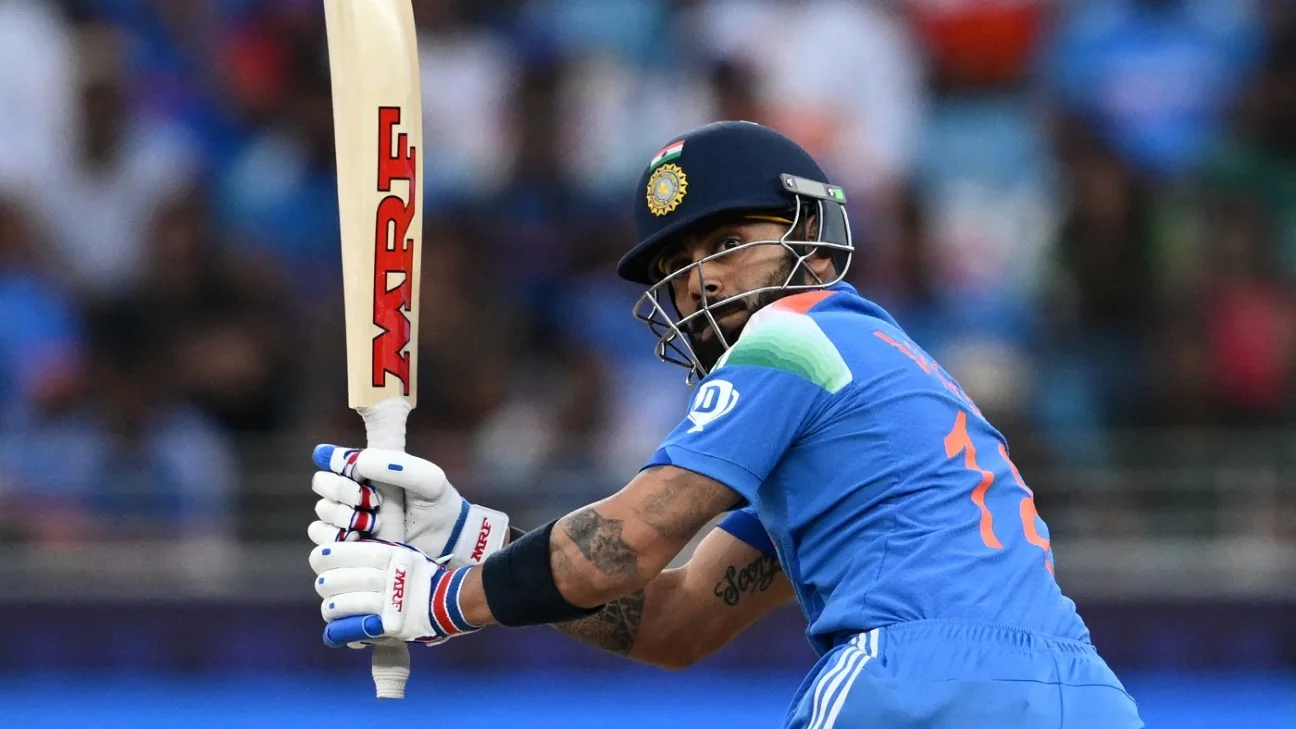
Cricket is more than a game; it’s identity, pride, and unity. Across continents, it shapes cultures, tells stories, and bridges divides. From dusty Indian streets to English greens, cricket reflects who people are and what they believe in.
Cricket as a Cultural Symbol
In India, Pakistan, and Bangladesh, cricket transcends sport — it’s religion. Matches between arch-rivals aren’t just games; they’re emotional expressions of national identity. In the Caribbean, cricket unites islands under one flag, showcasing flair and freedom.
Colonial Roots and Modern Identity
Introduced by British colonizers, cricket was once a symbol of empire. Over time, colonized nations reclaimed it, turning it into an instrument of pride. India’s 1983 World Cup win and West Indies’ 1970s dominance symbolized liberation through sport.
Cricket and Community
Cricket connects communities. Local tournaments, gully cricket, and village matches sustain traditions. It provides aspiration for youth and economic opportunity for families. The game also fosters diplomacy — with tours and leagues bridging cultural and political divides.
The Global Culture of Cricket
Cricket has adapted to every culture it touched — the carnival spirit of the Caribbean, the calm discipline of England, and the passionate roar of the subcontinent. T20 leagues have further globalized cricket, blending cultures through shared passion.
Conclusion
Cricket is a living language of culture — one that speaks unity, resilience, and joy. Beyond numbers and trophies, it reflects humanity’s ability to connect through competition and celebrate diversity through sport.


