


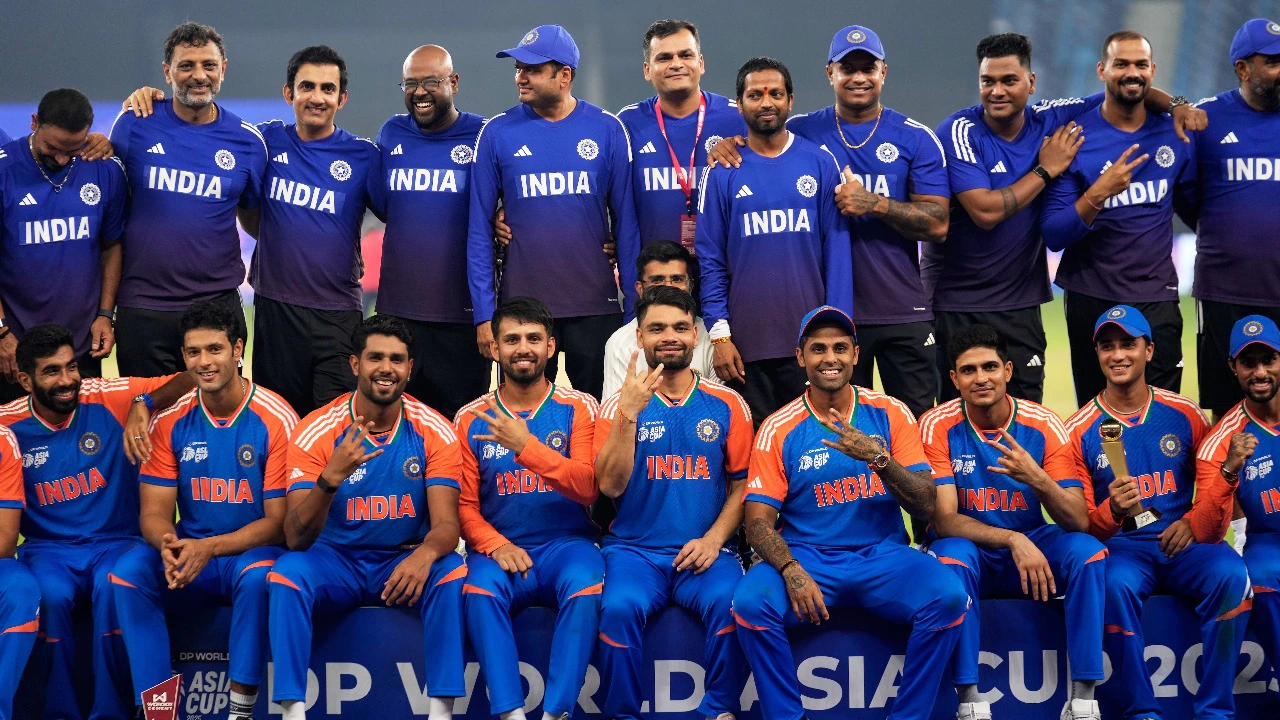
Fielding, once the least glamorous aspect of cricket, is now its heartbeat. Modern teams invest heavily in agility, reflexes, and anticipation — because in today’s high-scoring formats, one saved boundary or a direct hit can decide victory.
The Evolution of Fielding
In the early days, fielding was an afterthought. Players were often specialists with average athleticism. The 1970s and 1980s changed that, with cricketers like Jonty Rhodes redefining what was possible. His diving run-out of Inzamam-ul-Haq in the 1992 World Cup became an iconic moment — a symbol of energy and excellence.
The Modern Standard
Today, fielding drills are as intense as batting or bowling practice. Teams use reaction machines, slip-catching simulators, and data tracking to improve performance. Players like AB de Villiers, Ravindra Jadeja, and Glenn Maxwell have set new benchmarks, combining accuracy, speed, and creativity.
Technology and Data
High-speed cameras capture every movement to analyze fielding efficiency. Analysts measure “fielding impact” — runs saved, catches converted, and throws completed. This scientific approach ensures fielding contributes as much to selection as batting or bowling stats.
The Importance of Fitness
Fitness revolutionized fielding. Agile athletes cover more ground, dive safely, and recover faster. The rise of T20 cricket, with its small margins, has made every saved run vital. Spectacular boundary saves and quick direct hits often shift momentum.
Conclusion
Modern fielding isn’t just supportive — it’s transformative. The evolution from passive fielding to proactive athleticism reflects cricket’s modern mindset: every ball counts, and every player is a match-winner.


